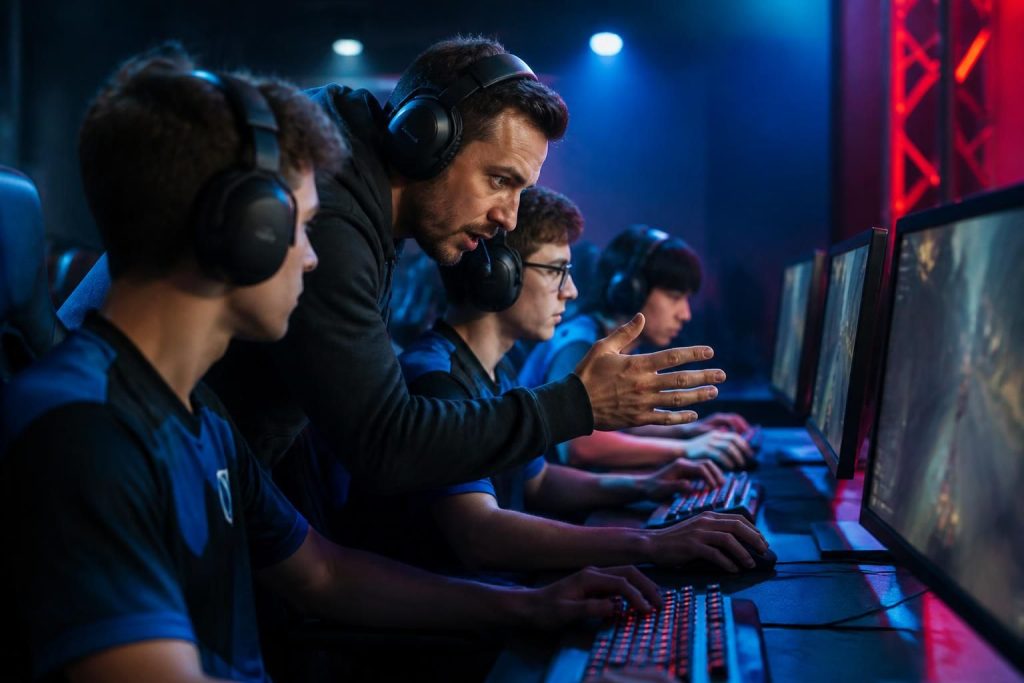
Esports teams and coaching are integral components of the competitive gaming landscape, shaping the success and performance of players and organizations alike. With the rising popularity of esports, the need for effective coaching strategies and team compositions has never been higher. These elements not only influence individual player development but also create a strong foundation for teamwork and synergy that can lead to victory in high-stakes tournaments.
Understanding Team Dynamics in Esports
Successful esports teams are built on strong dynamics among players, which are characterized by communication, trust, and mutual respect. Coaches play a pivotal role in fostering these dynamics, often acting as mediators and facilitators for team interactions. One of the critical tasks for a coach is to understand each player’s strengths and weaknesses, allowing for strategic alignment that maximizes performance.
To create a cohesive unit, coaches often implement team-building exercises that promote collaboration and camaraderie. In games that require precise coordination, such as first-person shooters and multiplayer online battle arenas (MOBAs), a well-synchronized team can make a significant difference in outcomes. Coaches must cultivate an environment where players feel comfortable sharing ideas and constructive feedback, ultimately leading to improved gameplay and team strategies.
Player Development and Skill Enhancement
Esports teams and coaching go hand in hand when it comes to player development. Coaches are tasked with designing training regimens that are tailored to individual players while considering the overall team strategy. This often includes reviewing gameplay footage, analyzing past performances, and practicing specific skills that may need improvement.
Moreover, modern coaching strategies involve a focus on mental resilience and adaptability. Players face immense pressure during competitions, and coaches must equip them with the tools to handle stress and maintain focus. Incorporating mental fitness into training schedules, such as mindfulness practices or simulation of high-pressure scenarios, can help players perform optimally when it matters the most.
Strategic Recruitment for Winning Rosters
Building a winning roster involves strategic recruitment that goes beyond just finding the highest-ranked players. Coaches must consider how potential team members will fit within the existing roster and the team’s overall strategy. This requires a deep understanding of each player’s gaming style, personality, and work ethic.
Moreover, scouting for new talent can involve attending grassroots tournaments, streaming platforms, and amateur leagues to identify promising players who demonstrate not only skill but also commitment and a willingness to grow. Some organizations have even incorporated advanced analytics to assess player performance metrics, helping coaches make informed decisions during the recruitment process. For more on this topic, see สล็อตเว็บตรง.
Analyzing Opponents and Adapting Strategies
Another critical aspect of esports teams and coaching is the ability to analyze opponents and adapt strategies accordingly. Coaches must conduct thorough research on rival teams, studying their gameplay patterns, strategies, and preferred characters or weapons. This analysis can uncover weaknesses that a team can exploit during matches.
In preparation for tournaments, coaches often develop comprehensive game plans that outline specific strategies tailored to counter opponents. This may involve adjusting team compositions or implementing alternative gameplay tactics based on the rival’s strengths and weaknesses. Flexible strategy development is vital, as the competitive landscape in esports can change rapidly, and teams must be ready to pivot in response to unforeseen circumstances.
The Evolution of Coaching in Esports
The realm of esports teams and coaching has evolved significantly since the early days of competitive gaming. Players and coaches are now recognizing the importance of professional development, data analytics, and even sports psychology in enhancing performance. With the introduction of various tools and resources, coaches can analyze gameplay with unprecedented depth, leading to more informed decisions.
Furthermore, the rise of online coaching platforms and virtual training sessions has made it easier for coaches to work with players regardless of geographical constraints. This shift towards a more digital coaching environment has opened up opportunities for aspiring coaches to learn and adapt techniques from established professionals worldwide. As esports continues to grow, the coaching landscape will inevitably evolve, emphasizing the need for continuous learning and adaptation.
In conclusion, esports teams and coaching are essential elements that contribute to the overall success of competitive gaming. From understanding team dynamics and enhancing player skills to strategic recruitment and opponent analysis, effective coaching strategies are critical for building winning rosters. As the esports industry grows, so too will the methodologies and practices that serve to elevate teams and foster talent, ensuring that the future of competitive gaming remains bright.